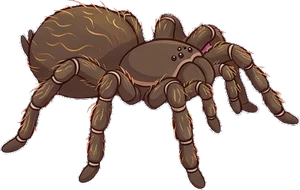
Curly Hair Tarantula care guide
Tliltocatl albopilosus · Care info checked against current care sheets in November 2026
Quick facts
| Scientific name | Tliltocatl albopilosus |
|---|---|
| Also called | Curly hair, curlyhair, Honduran curly hair |
| Care level | Beginner |
| Active | Nocturnal |
| Lives | Terrestrial / burrowing |
| Leg span | 12 to 17 cm (5 to 7 in) |
| Lifespan | 10 to 25 years |
| Minimum enclosure (one adult) | 45 x 30 x 30 cm (18 x 12 x 12 inches) |
| Warm side | 22 to 26°C (72 to 79°F) |
| Cool side | 20 to 24°C (68 to 75°F) |
| Night | 18 to 23°C (64 to 73°F) |
| Humidity | 55 to 70% |
| UVB lighting | Not needed |
| Diet | Insectivore |
| Feeding, babies | every 3 to 5 days |
| Feeding, juveniles | every 7 to 10 days |
| Feeding, adults | every 14 to 21 days |
Overview
A calm, chunky ground dweller from the forests of Honduras and Costa Rica, covered in long golden-tipped curly hairs. It's one of the best first tarantulas: hardy, slow-moving and usually out on display. Females live 10 to 25 years, males about 5, with a leg span of 12 to 17 cm (6.7 in).
Enclosure
An adult needs about 45 x 30 x 30 cm (18 x 12 x 12 inches): wider than it is tall, at least three times its leg span across, with a secure, ventilated lid. Fill about half the height with a mix of topsoil and coconut fiber that holds a burrow, add a half cork bark hide, and a shallow water dish. Slings live in small deli cups with deep, slightly damp substrate.
Heat, humidity and lighting
Normal room temperature is fine: 22 to 26°C (72 to 79°F) by day, down to about 18°C (64°F) at night. Skip heat lamps, which dry it out. Keep the lower substrate a little moist and the top dry, around 55 to 70% humidity, by pouring water into one corner every week or two. No UVB needed.
Diet
Feed crickets, roaches or mealworms no bigger than its body. Slings eat every 3 to 5 days, growing juveniles every 7 to 10 days, and adults every 2 to 3 weeks. Take out anything uneaten within a day, and never feed in premolt or for about a week after a molt.
Health
Most problems come from molts and falls. Before a molt it stops eating, the abdomen looks dark or shiny, and it may seal itself in its hide: leave it alone and take out any live prey. Afterward, wait for the fangs to harden and turn dark before feeding. A fall from even 30 cm (11.8 in) can split the abdomen, so keep climbing height low. Mites, mold and a shriveled abdomen point to the substrate being too wet or too dry.
Handling
Tarantulas don't need or enjoy handling, and a fall can kill them. If you must move it, coax it into a cup with a soft paintbrush. New World tarantulas like this one can flick itchy hairs off the abdomen when stressed, so keep them away from your eyes and wash your hands after maintenance.
See a vet if you notice
Shriveled abdomen, a stuck molt, falls, mites, mold in the enclosure, lying on its back for more than a day outside a molt.
Other languages: ČeštinaDeutschEspañolFrançaisBahasa IndonesiaItaliano日本語한국어NederlandsPolskiPortuguês (Brasil)SvenskaTürkçe简体中文