Green Bottle Blue Tarantula care guide
Chromatopelma cyaneopubescens · Care info checked against current care sheets in November 2026
Quick facts
| Scientific name | Chromatopelma cyaneopubescens |
|---|---|
| Also called | GBB, greenbottle blue |
| Care level | Beginner |
| Active | Nocturnal |
| Lives | Terrestrial |
| Leg span | 13 to 16 cm (5 to 6 in) |
| Lifespan | 10 to 14 years |
| Minimum enclosure (one adult) | 40 x 30 x 30 cm (16 x 12 x 12 inches) |
| Warm side | 22 to 27°C (72 to 81°F) |
| Cool side | 20 to 24°C (68 to 75°F) |
| Night | 18 to 23°C (64 to 73°F) |
| Humidity | 40 to 60% |
| UVB lighting | Not needed |
| Diet | Insectivore |
| Feeding, babies | every 3 to 5 days |
| Feeding, juveniles | every 7 to 10 days |
| Feeding, adults | every 14 to 21 days |
Overview
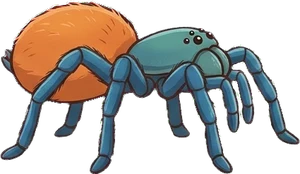
Metallic blue legs, a blue-green carapace and a bright orange abdomen: one of the most colorful tarantulas, from the dry Paraguaná Peninsula of Venezuela. It webs heavily and grows fairly fast. Females live 10 to 14 years (males about 3 to 4), with a 13 to 16 cm (6.3 in) leg span.
Enclosure
An adult needs about 40 x 30 x 30 cm (16 x 12 x 12 inches) with a secure, ventilated lid. Use 8 to 10 cm (3.9 in) of dry substrate, plus branches, cork bark and fake plants for it to cover in web. Add a shallow water dish. Good airflow matters more than humidity for this species.
Heat, humidity and lighting
Room temperature: 22 to 27°C (72 to 81°F) by day and down to about 18°C (64°F) at night. Keep it dry and airy, 40 to 60% humidity, with a full water dish; slings get one corner dampened every few days. No heat lamp or UVB needed.
Diet
A strong eater. Crickets, roaches or worms no bigger than its body. Slings eat every 3 to 5 days, juveniles every 7 to 10 days, and adults every 2 to 3 weeks. Remove uneaten prey within a day.
Health
Most problems come from molts and falls. Before a molt it stops eating, the abdomen looks dark or shiny, and it may seal itself in its hide: leave it alone and take out any live prey. Afterward, wait for the fangs to harden and turn dark before feeding. A fall from even 30 cm (11.8 in) can split the abdomen, so keep climbing height low. Mites, mold and a shriveled abdomen point to the substrate being too wet or too dry.
Handling
Tarantulas don't need or enjoy handling, and a fall can kill them. If you must move it, coax it into a cup with a soft paintbrush. New World tarantulas like this one can bolt fast and flick itchy hairs off the abdomen when stressed, so keep them away from your eyes and wash your hands after maintenance.
See a vet if you notice
Shriveled abdomen, a stuck molt, falls, damp or stuffy enclosure, mites, lying on its back for more than a day outside a molt.
Other languages: ČeštinaDeutschEspañolFrançaisBahasa IndonesiaItaliano日本語한국어NederlandsPolskiPortuguês (Brasil)SvenskaTürkçe简体中文