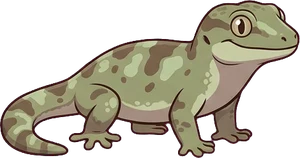
Leachie Gecko care guide
Rhacodactylus leachianus · Care info checked against current care sheets in October 2026
Quick facts
| Scientific name | Rhacodactylus leachianus |
|---|---|
| Also called | New Caledonian giant gecko, leachianus |
| Care level | Intermediate |
| Active | Nocturnal |
| Lives | Arboreal |
| Adult size | 25 to 43 cm (10 to 17 in) |
| Lifespan | 20 to 30 years |
| Minimum enclosure (one adult) | 120 x 60 x 120 cm (47 x 24 x 47 inches) |
| Warm side | 22 to 27°C (72 to 81°F) |
| Cool side | 21 to 24°C (70 to 75°F) |
| Night | 18 to 22°C (64 to 72°F) |
| Humidity | 60 to 80% |
| UVB lighting | Recommended (Ferguson zone 1) |
| Diet | Omnivore |
| Feeding, juveniles | every 1 to 2 days |
| Feeding, adults | every 2 to 3 days |
Overview
The largest gecko in the world, from New Caledonia. Leachies are slow growing, long lived and mostly nocturnal, spending the day pressed against cork or bark. Size and color vary a lot between localities.
Enclosure
An adult needs a tall enclosure of at least 120 x 60 x 120 cm (47 x 24 x 47 inches) (smaller henkeli types can use 90 x 45 x 90 cm (35 x 18 x 35 inches)) with sturdy vertical cork tubes or flats to hide behind. Dense foliage and a moisture-holding substrate help maintain humidity, and the setup works well bioactive.
Heat, humidity and lighting
Keep daytime air around 22 to 27°C (72 to 81°F) and let nights drop to about 18 to 22°C (64 to 72°F). Avoid long periods above 29°C (84°F). Low-level UVB (Ferguson zone 1) is beneficial as long as there are shaded areas to retreat to. Mist heavily in the evening and let the enclosure partly dry during the day.
Diet
Offer a complete gecko diet (fruit-based powder) plus gut-loaded insects dusted with calcium. Juveniles eat every day or two and adults every 2 to 3 days. Appetite often slows during a cooler winter period.
Health
Watch for stuck shed on the toes and tail, a soft or kinked jaw (a sign of calcium problems), and mouth rot. Weight is the best early warning, so log it at least monthly.
Handling
Leachies can be defensive and bite hard, especially as juveniles, and they bark or growl when stressed. Handle calmly and briefly, and let them walk hand to hand rather than restraining them.
See a vet if you notice
Stuck shed on toes or tail, soft or kinked jaw, mouth rot, weight loss.
Other languages: ČeštinaDeutschEspañolFrançaisBahasa IndonesiaItaliano日本語한국어NederlandsPolskiPortuguês (Brasil)SvenskaTürkçe简体中文