Leopard Tortoise care guide
Stigmochelys pardalis · Care info checked against current care sheets in November 2026
Quick facts
| Scientific name | Stigmochelys pardalis |
|---|---|
| Also called | Leopard tortoise, Babcock's leopard tortoise, pardalis |
| Care level | Intermediate |
| Active | Diurnal |
| Lives | Terrestrial |
| Adult size | 35 to 60 cm (14 to 24 in) |
| Lifespan | 50 to 100 years |
| Minimum enclosure (one adult) | 480 x 240 x 60 cm (189 x 94 x 24 inches) |
| Basking spot | 35 to 38°C (95 to 100°F) |
| Warm side | 27 to 32°C (81 to 90°F) |
| Cool side | 24 to 27°C (75 to 81°F) |
| Night | 18 to 24°C (64 to 75°F) |
| Humidity | 40 to 70% |
| UVB lighting | Required (Ferguson zone 3) |
| Diet | Herbivore |
| Feeding, juveniles | every day |
| Feeding, adults | every day |
Overview
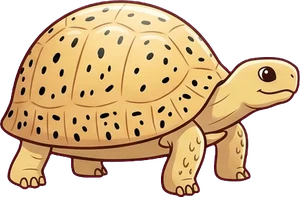
A large, gentle grazing tortoise from the African savanna with a tall, domed shell covered in leopard-like spots. Leopards are calm and beautiful but grow big, often 40 cm (15.7 in) or more and over 10 kg, and can live more than 50 years. Unlike many tortoises they don't dig or brumate, and they need lots of space and warmth.
Enclosure
Babies can start indoors, but an adult needs a large space, at least 480 x 240 cm (94.5 in), ideally a secure outdoor yard in warm months with a heated shed for cool nights. Use a soil and sand mix or grassy ground, with shelters, a shallow water dish and plenty of grass to graze.
Heat, humidity and lighting
Give a basking spot of 35 to 38°C (95 to 100°F), a warm side of 27 to 32°C (81 to 90°F), a cool side of 24 to 27°C (75 to 81°F) and nights of 18 to 24°C (64 to 75°F), never colder. Keep humidity around 40 to 70%, higher for hatchlings. Strong UVB (Ferguson zone 3) or real sunshine is a must.
Diet
Leopards are grazers: feed lots of grasses, grass hay and weeds like dandelion, clover and plantain every day, plus leafy greens. Avoid fruit and high-protein foods, which cause health and shell problems. Dust with calcium most meals and a multivitamin once a week.
Health
Respiratory infections from cold or damp are the most common problem: watch for a runny nose, wheezing or open-mouth breathing. Lumpy shell growth points to diet or humidity issues. Weigh monthly and keep their space warm and dry at night.
Handling
Leopards are shy at first and tuck into the shell, but grow used to people. Lift with both hands under the shell, keep them low, and avoid handling big adults much; they're heavy and can be dropped. Wash your hands after.
See a vet if you notice
Runny nose or wheezing, swollen eyes, a soft or pyramiding shell, overgrown beak, not eating.
Other languages: ČeštinaDeutschEspañolFrançaisBahasa IndonesiaItaliano日本語한국어NederlandsPolskiPortuguês (Brasil)SvenskaTürkçe简体中文